From Manhattan Heights to Technical Depth: How SGP Elevates Production with systron

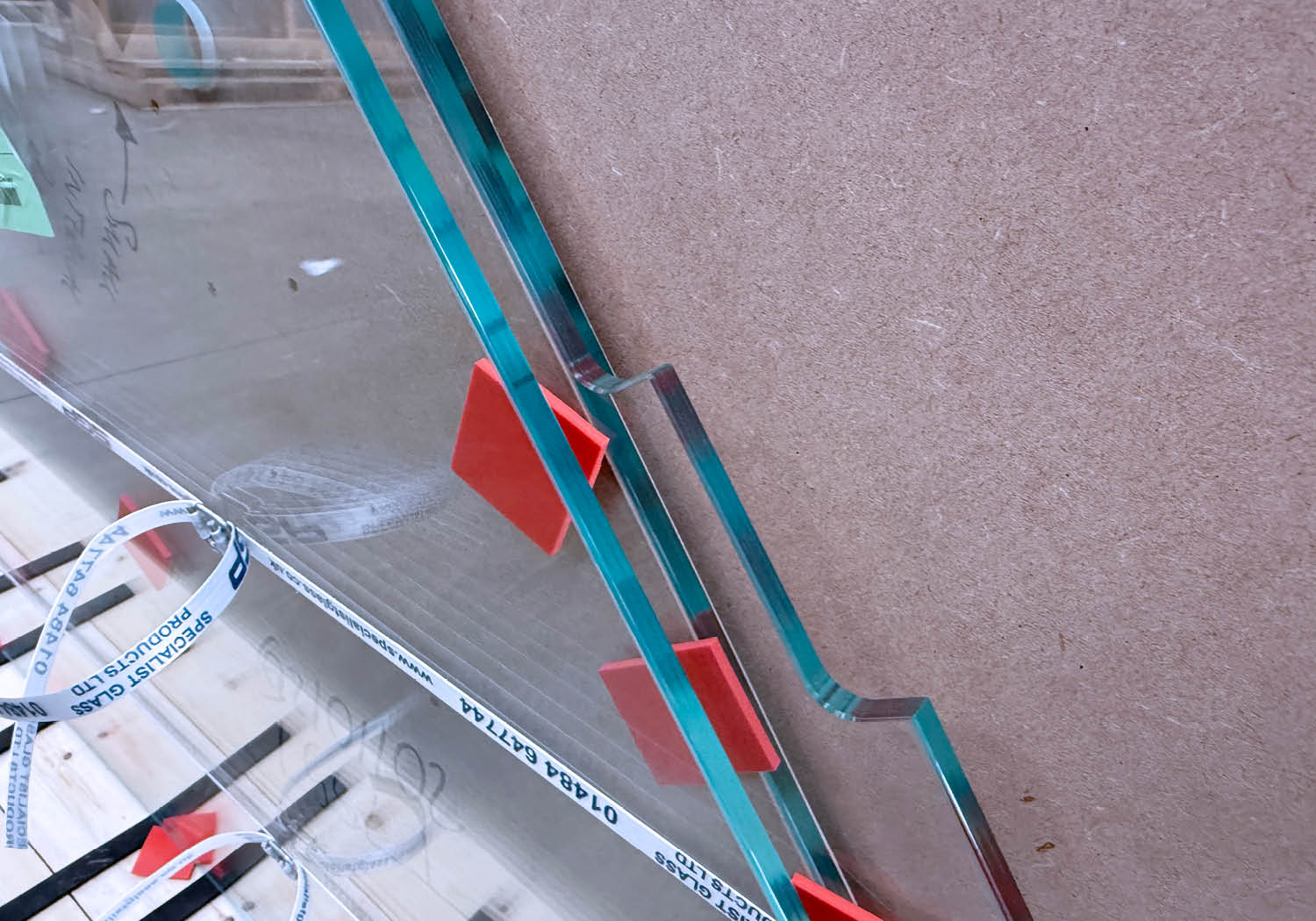
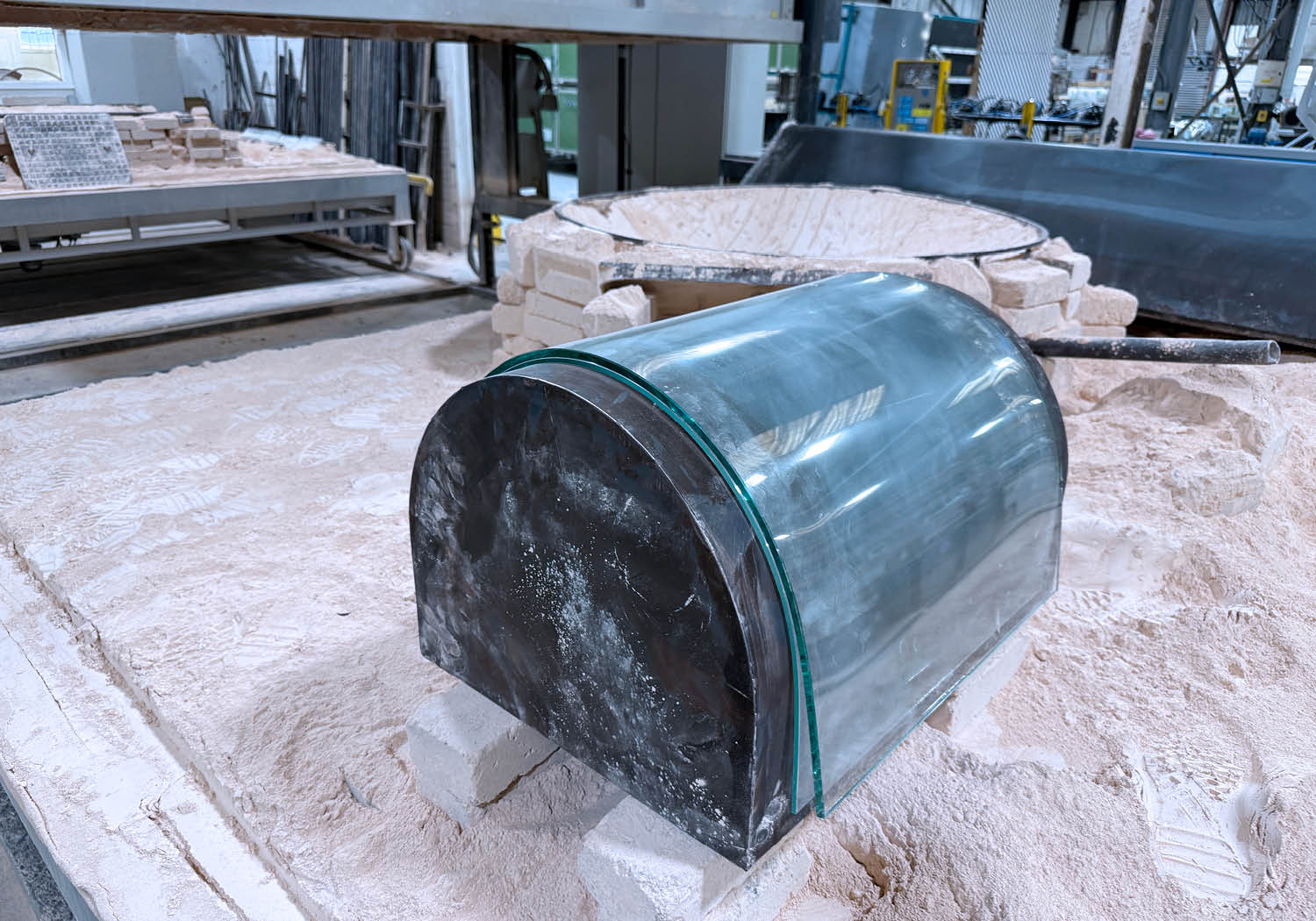
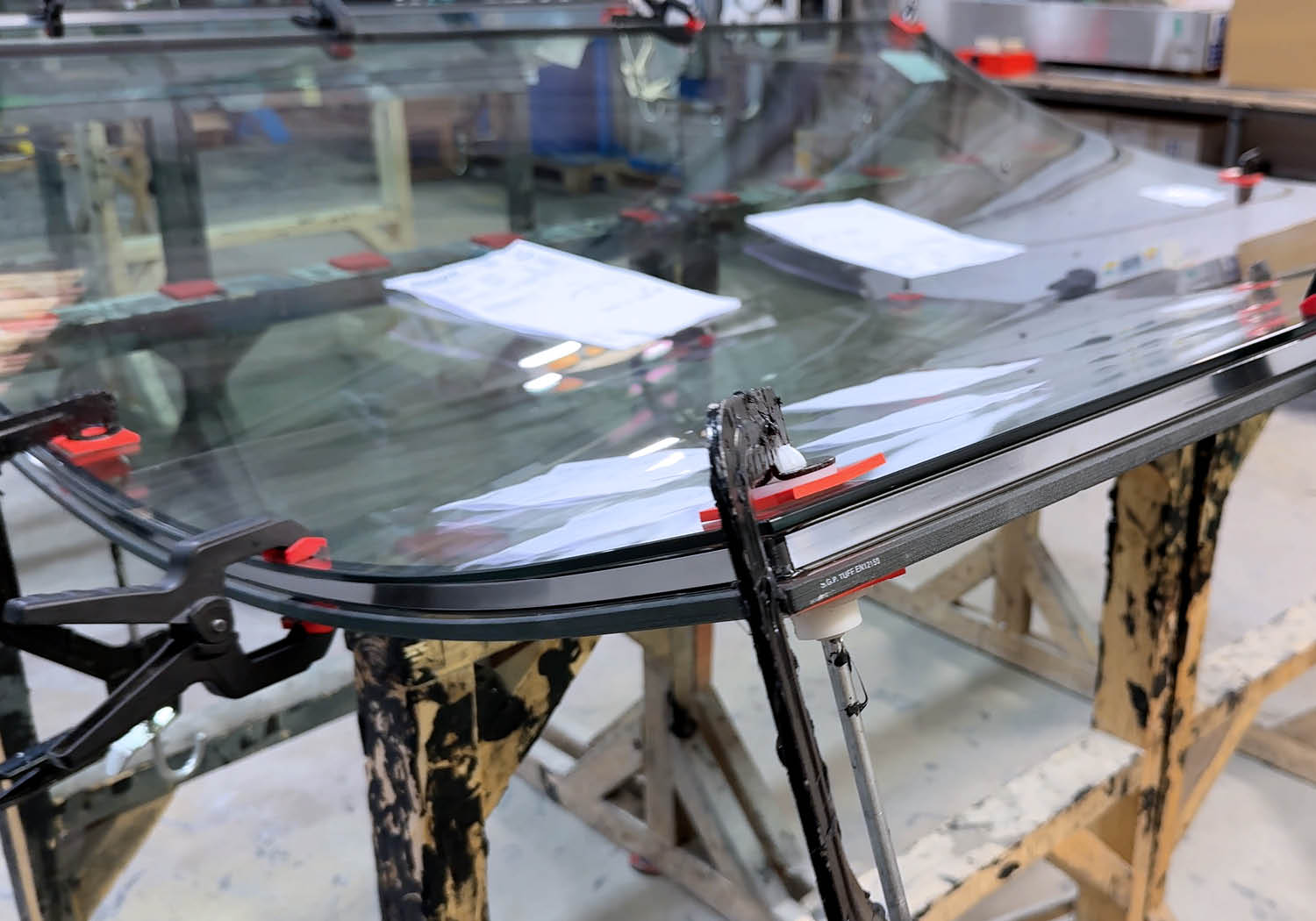
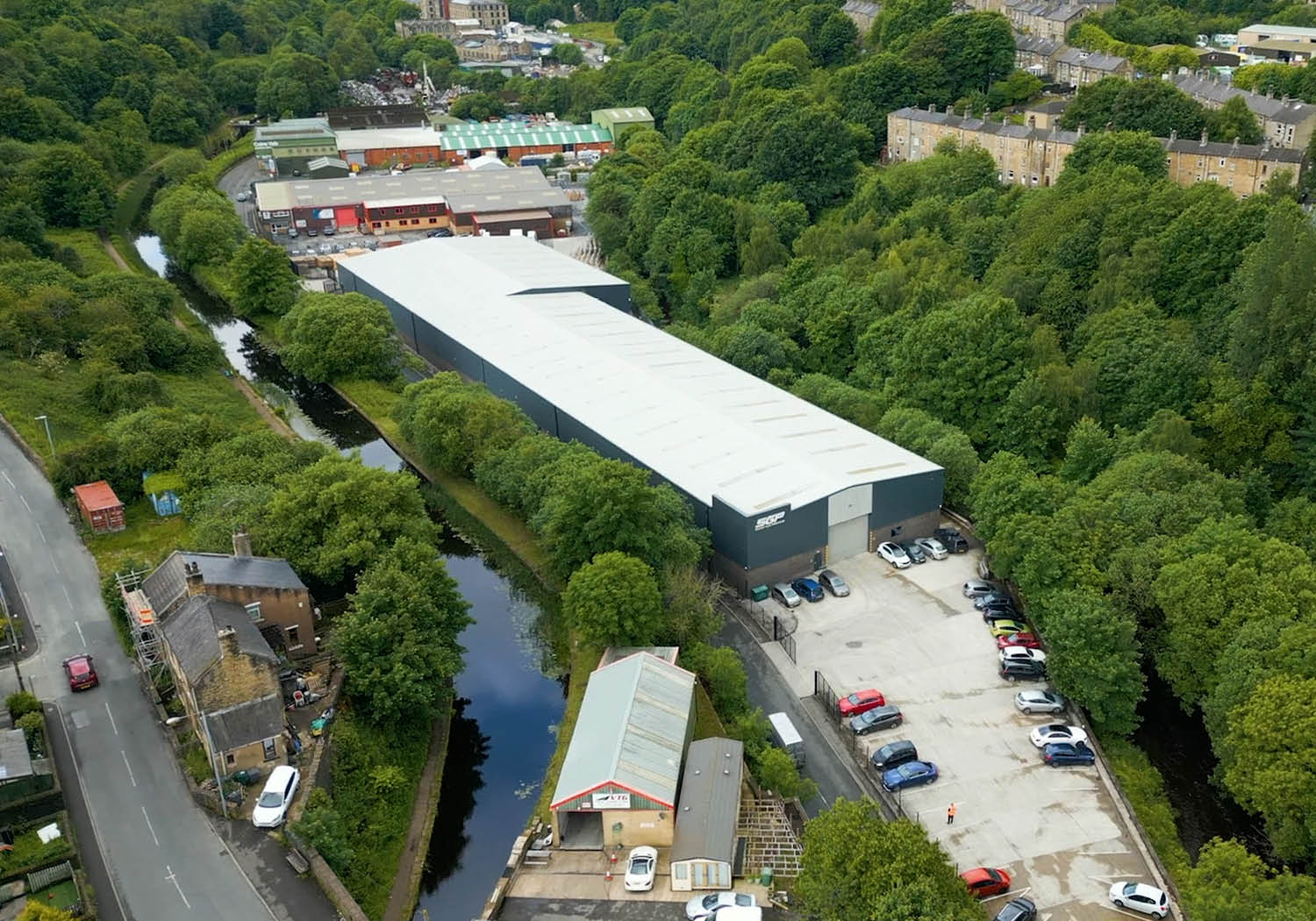
Huddersfield, UK – A walk through the production halls of Specialist Glass Products Ltd (SGP) reveals a company that treats glass not simply as a material, but as a craft. Since 2003, the family-run firm has grown from a modest 3,000 sq ft workshop into one of the UK’s leading specialists for curved, laminated and intricately processed architectural glass.

Customer Profile

Company: Specialist Glass Products (SGP)
Location: Huddersfield, United Kingdom
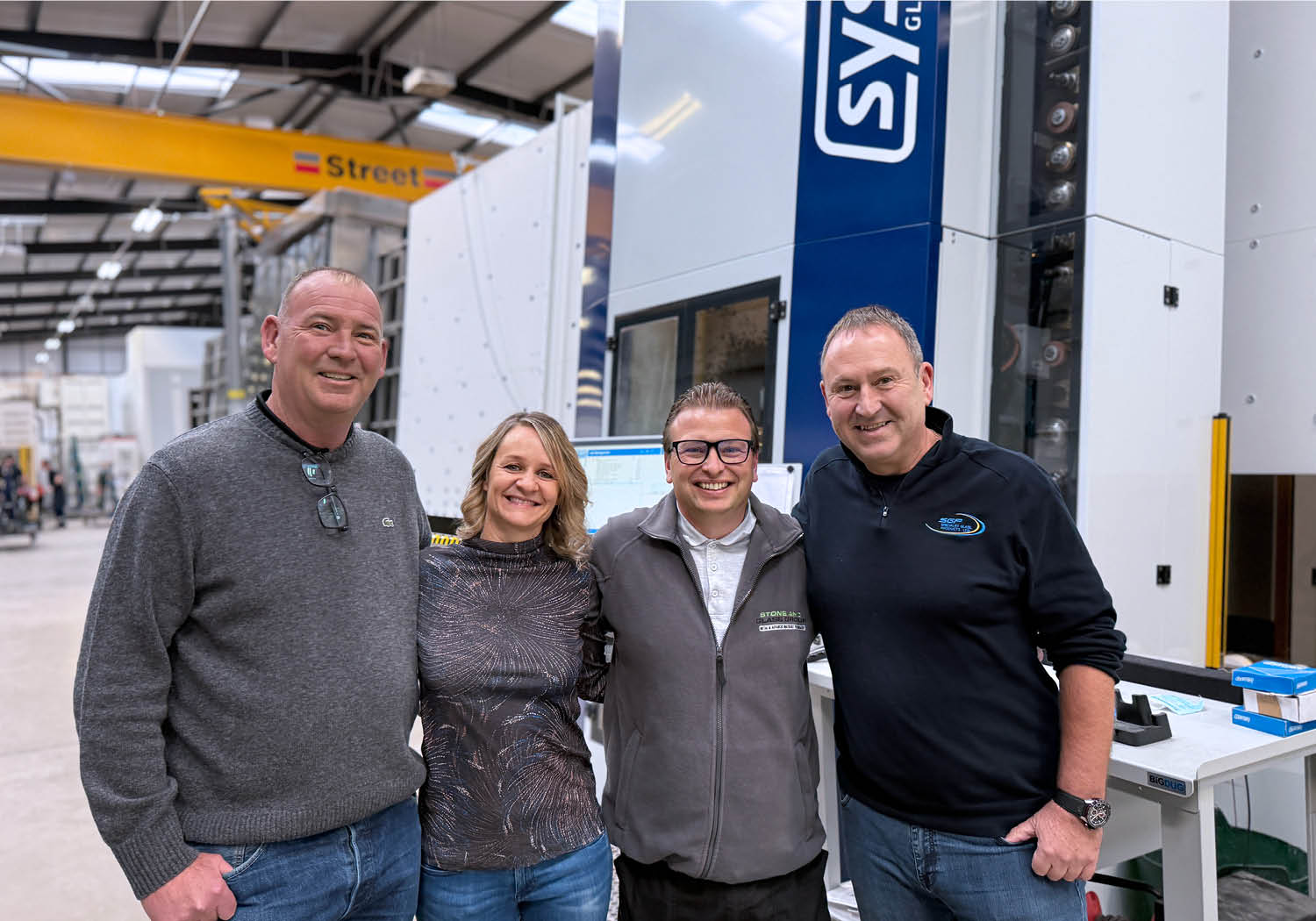
Owners: Jonathan and Andrew Taylor
Employees: approx. 100
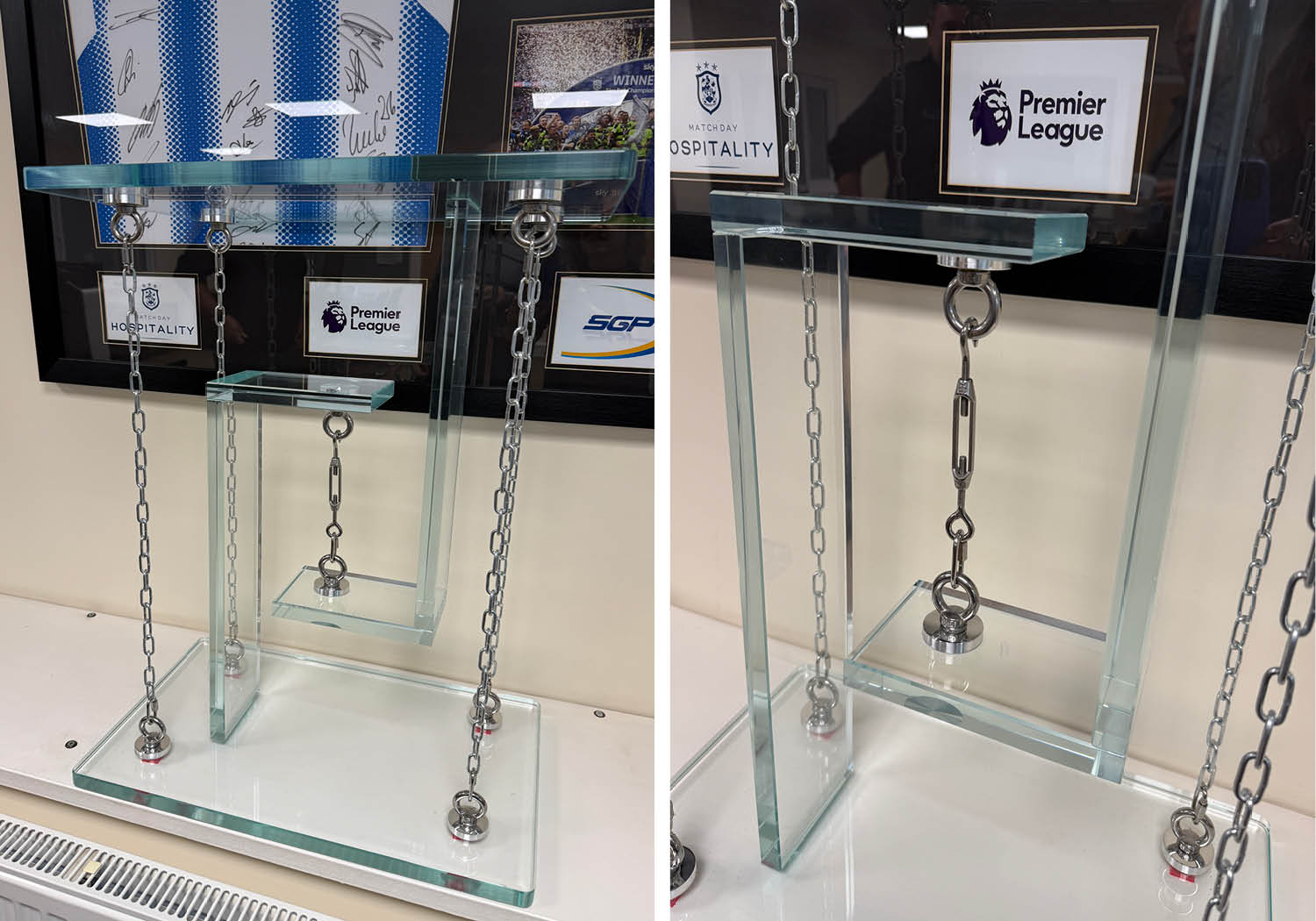
Focus: curved, laminated, flat and toughened architectural glass for balustrades, partitions, façades and bespoke design elements

SGP delivers complex projects across the UK and internationally, including:

  • over 6,000 curved laminated panels for the Royal Botanic Garden Edinburgh

  • all laminated glass signage panels for the Elizabeth Line in London

  • eight precisely curved Optiwhite panels for Top of the Rock at Rockefeller Center in New York

These reference projects reflect the company’s development since its foundation. Andrew Taylor describes the early days as a period of building everything from scratch: “We started with nothing – new building, new furnace, new customers.” The team’s expertise in bending and laminating glass proved especially valuable when the market shifted from float glass to toughened laminated solutions.

Initial Situation: Growing Demands Challenged the Existing Technology

As the demand for large formats, complex geometries and coated glass increased, the existing vertical CNC system became a limiting factor. The machine could only process up to 2.6 m and began to suffer from frequent downtime.

According to Andrew Taylor:

“Large, customised panels are where you create real added value – but only if you can process them reliably.

Our old machine was often down for days. With lead times of two to three weeks, that’s a serious risk.”

systron’s long-term UK partner Phil Birchhall also observed the challenge:

“SGP operates at a consistently high standard. For companies like this, you need machines that deliver reliably every day.”

Decision for the systron proHD Glass Processing Machine

SGP carried out extensive research and prioritised real operator feedback from reference installations. “We wanted honest experiences from the shop floor, not just brochures,” says Andrew Taylor. The long-term stability of systron systems and the proven nature of the technology became key arguments.

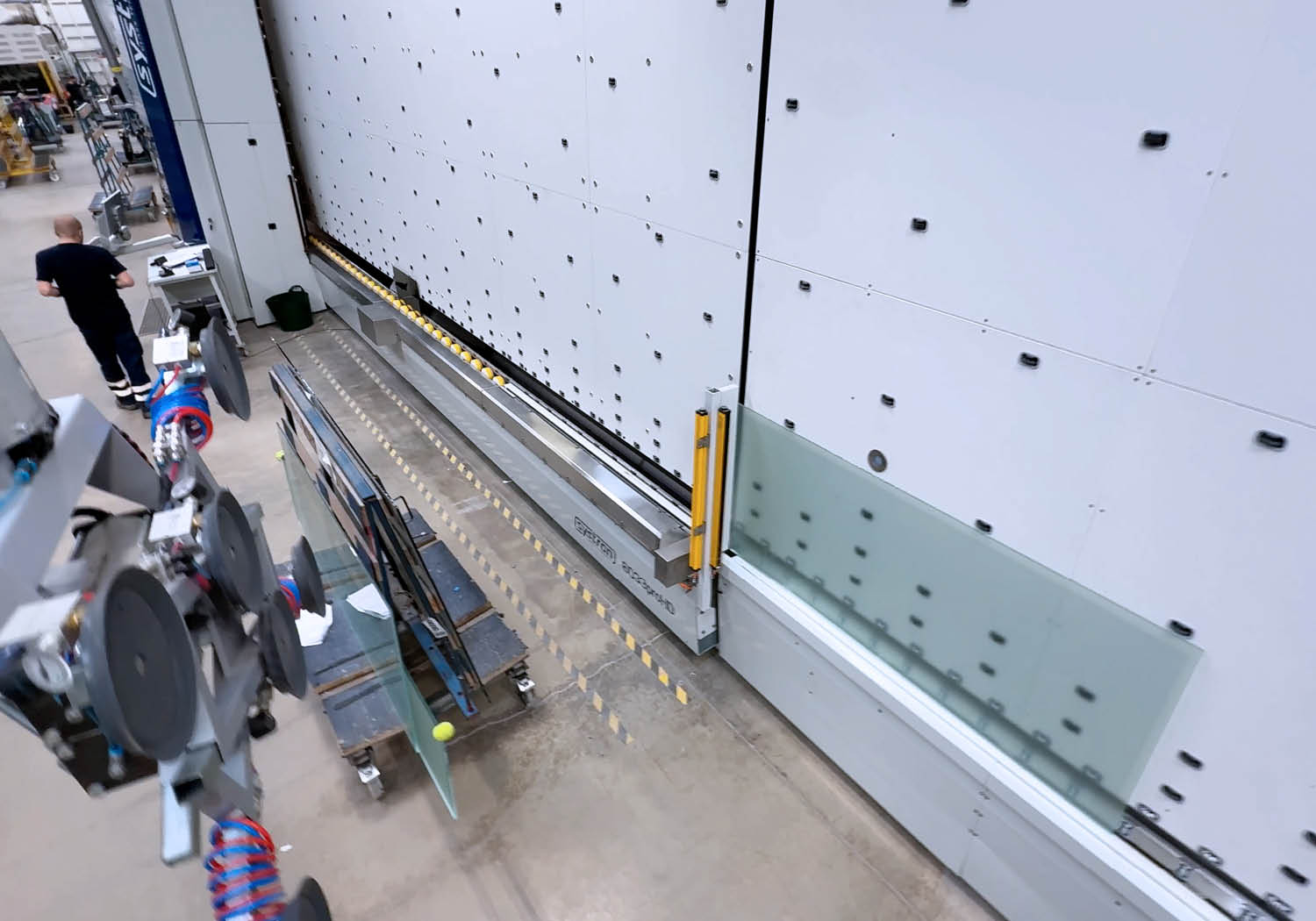
SGP selected the systron 6033proHD, a vertical All-in-One-Processing Centre systron 6033proHD, that integrates all major processing steps — edge processing, drilling, waterjet cutting and washing — into a continuous workflow.

Installed Solution: One Pass, All Processes

Since its commissioning in February 2025, the systron proHD has been running in two shifts from around 6:00 to 23:00. The system unifies the entire processing sequence in a single, uninterrupted flow:

  • continuous throughput without re-handling

  • no setup time between different glass types

  • streamlined material flow with reduced intermediate storage

Andrew summarises the effect clearly:
“Even if the movement looks slower than on a horizontal CNC, the continuous process means that glass actually moves through the system much faster.”

Results & Improvements for SGP

Higher Performance and Consistent Quality

With the systron proHD, SGP now achieves:

  • 20–25% higher output on shaped glass

  • significantly reduced manual handling

  • consistent edge quality on coated and laminated glass

For sensitive surfaces, the advantages are especially noticeable. Andrew explains:

“The water cushion technology is a real benefit. The panel is supported without mechanical contact, which minimises the risk of scratches.”

Flexibility Through Integrated Waterjet Cutting

The high-pressure waterjet has become essential for SGP’s production of non-rectangular and bespoke components. Andrew highlights its relevance:

“A large part of our production consists of non-rectangular shapes. The waterjet is ideal because there’s no setup time between shapes. You go straight from a circle to a triangle or a completely free contour.”

The waterjet also impresses with its efficiency: “Often, radii can be cut even faster than rectangular corners.”

Applications range from architectural cut-outs to kitchen splashbacks and openings for sockets and switches. As Andrew notes: “It works precisely, repeatably and cleanly. That’s exactly what we need for our bespoke parts.”

Reliability Secures Short Lead Times

The clear machine concept, good accessibility and reliable remote support significantly reduce maintenance effort. “We haven’t had any serious downtime,” says Andrew Taylor. “And if something does occur, it’s resolved quickly. This stability is crucial for maintaining our tight lead times.”

Many routine tasks are now handled internally, reducing external service requirements and minimising production interruptions.


Looking Ahead: Further Refinement of the Production Flow

After several years of investment, SGP is now focusing on optimising process flows, balancing the capacities of its six CNC systems and preparing future sustainability measures.

SGP also follows systron’s developments in handling and automation closely. Andrew adds:

“We see that systron is continuously developing new automation solutions. If we had more space, we would consider several of them immediately.”

Today, the systron 6033proHD glass processing machine is one of the most valuable systems in SGP’s production environment—reliable, precise and built for long-term operation.

Share on Social Media