systron Edge Deletion: Process-Reliable Removal of Functional Coatings

Function, Requirements and Practical Experience from Architectural and Insulating Glass Production

With the increasing use of magnetron-sputtered coatings on architectural and insulating glass – such as solar control and thermal insulation (Low-E) layersedge deletion continues to gain importance. These predominantly multilayer functional coatings significantly improve the energetic performance of glass, but at the same time impose higher requirements on downstream processing.

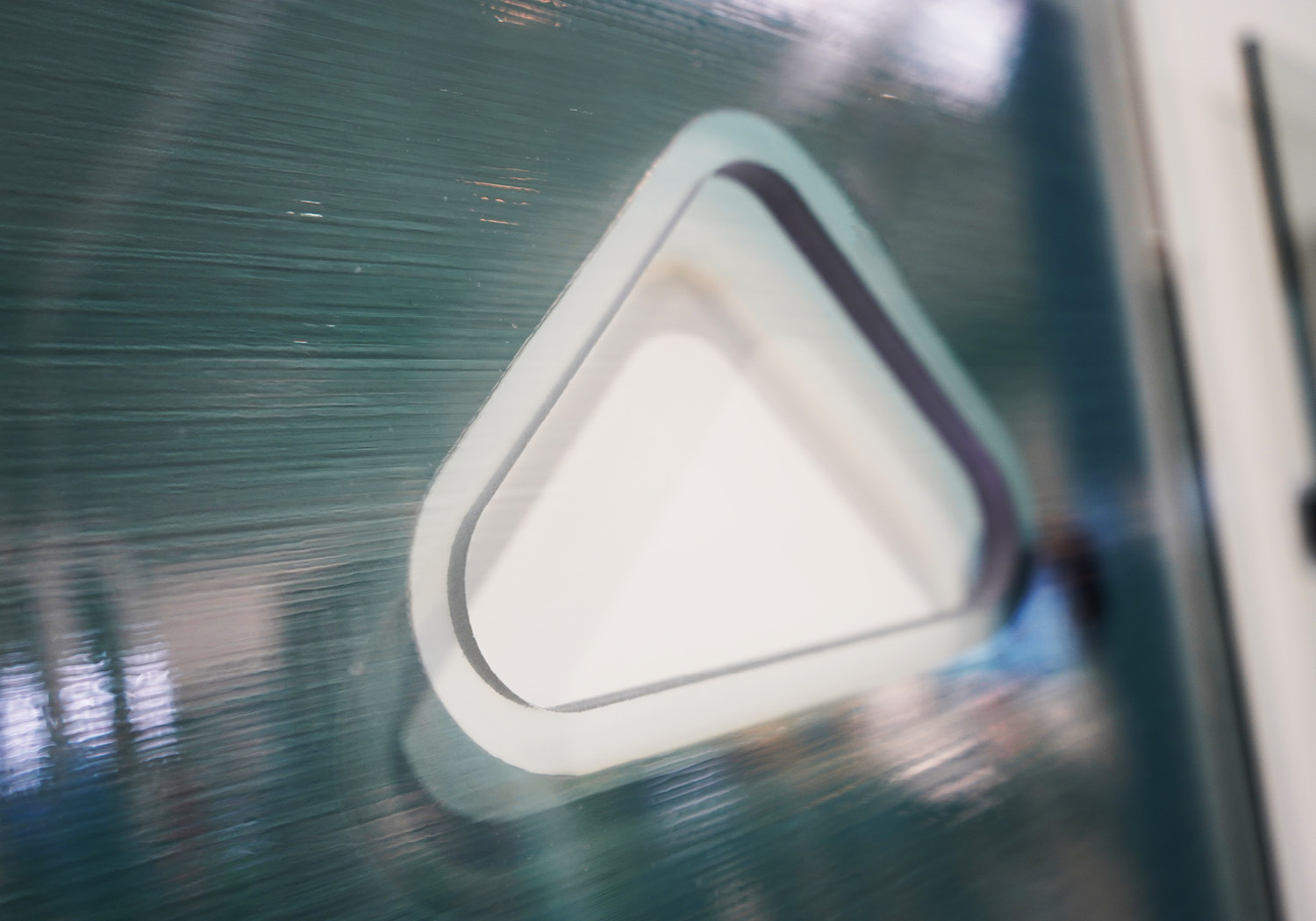
In many applications – particularly in the insulating glass sector – it is necessary to selectively remove the coating in the edge area. This ensures a permanently suitable bonding surface for sealants, supports the long-term stability of the edge seal, and meets structural or aesthetic requirements in cases of visible glass edges.
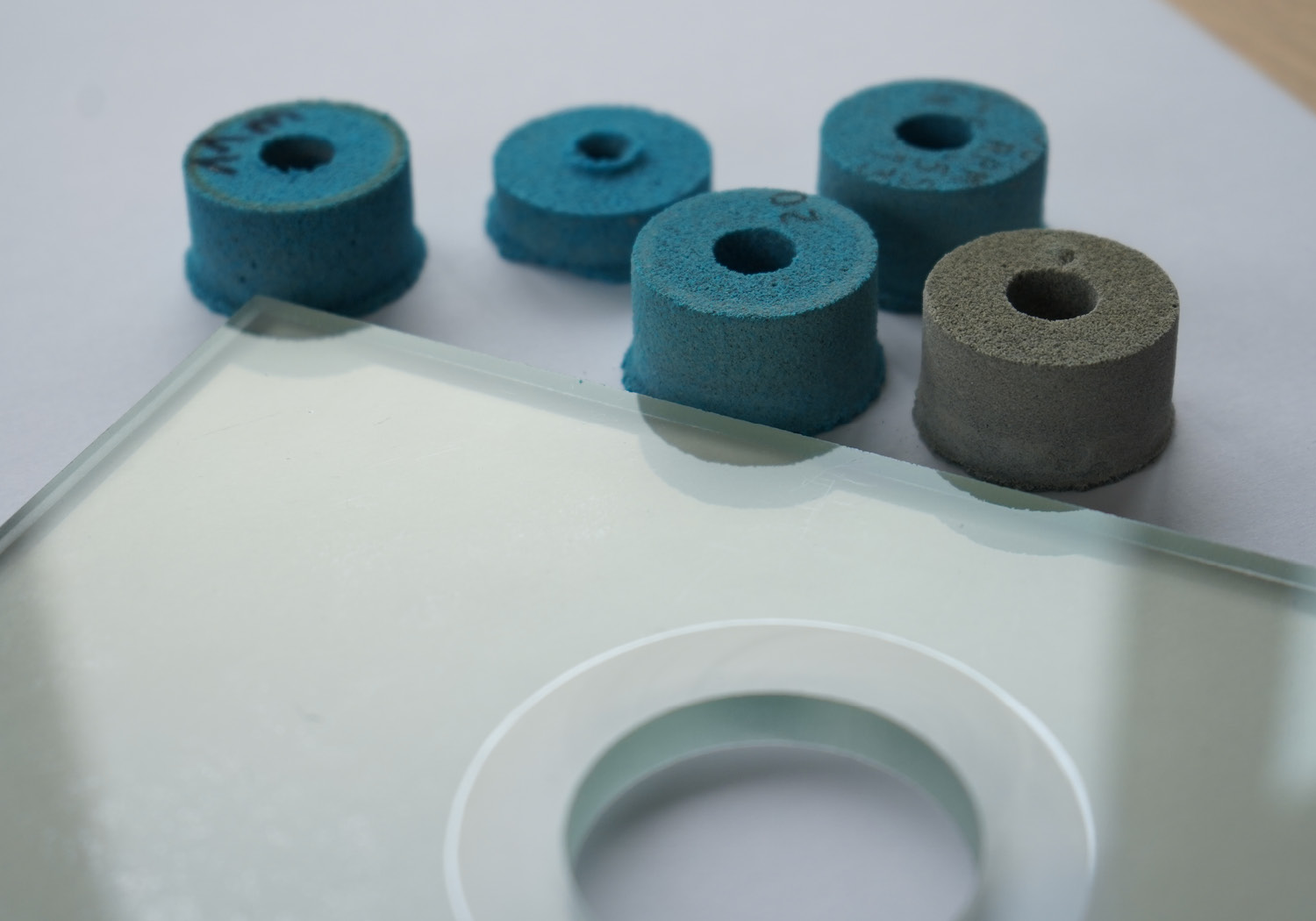
Technical Background for Edge Deletion of Float Glass: Adhesion, Moisture, Aesthetics

Magnetron coatings are applied to float glass using the PVD (Physical Vapor Deposition) process by means of magnetron sputtering. They consist of multiple functional layers, often incorporating one or more silver layers as the core component. These high-performance “soft-coat” systems enable excellent energy performance values, but are more sensitive to mechanical stress and moisture exposure. Furthermore, in the edge area they are generally not designed to serve as a defined bonding substrate for primary or secondary sealants.

From practical experience, Florian Temper, Operations Manager at Eckelt Glas, explains:

“Without edge deletion, there is fundamentally a risk of adhesion problems between the coated glass pane and sealants such as butyl, silicone, polysulfide or polyurethane.”

In addition to sealant adhesion, edge deletion plays a key role in ensuring the durability of the edge seal. Temper adds: “If the coating is not removed in the edge area, depending on the coating system used, there is a possibility of undercutting within the layer structure. Over time, this may impair the long-term stability of the edge seal, for example through corrosion of the functional layers or reduced adhesion strength.”

Edge deletion may also be required for aesthetic reasons, such as in stepped insulating glass units at building corners. In Eckelt projects, edge areas are often coloured or sealed with tinted silicone to achieve a clean and uniform appearance.

To stabilize the edge zone against moisture ingress and ensure long-term bonding quality, laminated safety glass units are also edge deleted at Eckelt in defined lamination configurations and coating systemst.

Width, Parameters and Coating Diversity

The required edge deletion width is generally based on the geometry of the primary seal of the insulating glass unit and the position of the spacer bar with the butyl seal. In practice, it typically ranges between 10 and 12 mm, but may be specified individually by the customer – particularly in structural sealing (SG) applications or frameless glass façades.

An additional challenge arises from the wide variety of coating systems available on the market. Different layer structures as well as protective systems such as EasyPro or TPF foils require precise adjustment of processing parameters.

Temper emphasizes an often underestimated aspect:

“It is important to verify adhesion between the deleted zone and the sealant on a system-specific basis.

Certain bonded resins in the tooling may leave residues – which can be counterproductive and, in unfavorable cases, lead to reduced adhesion strength.”

Edge Deletion in Insulating Glass Practice with a systron Machine

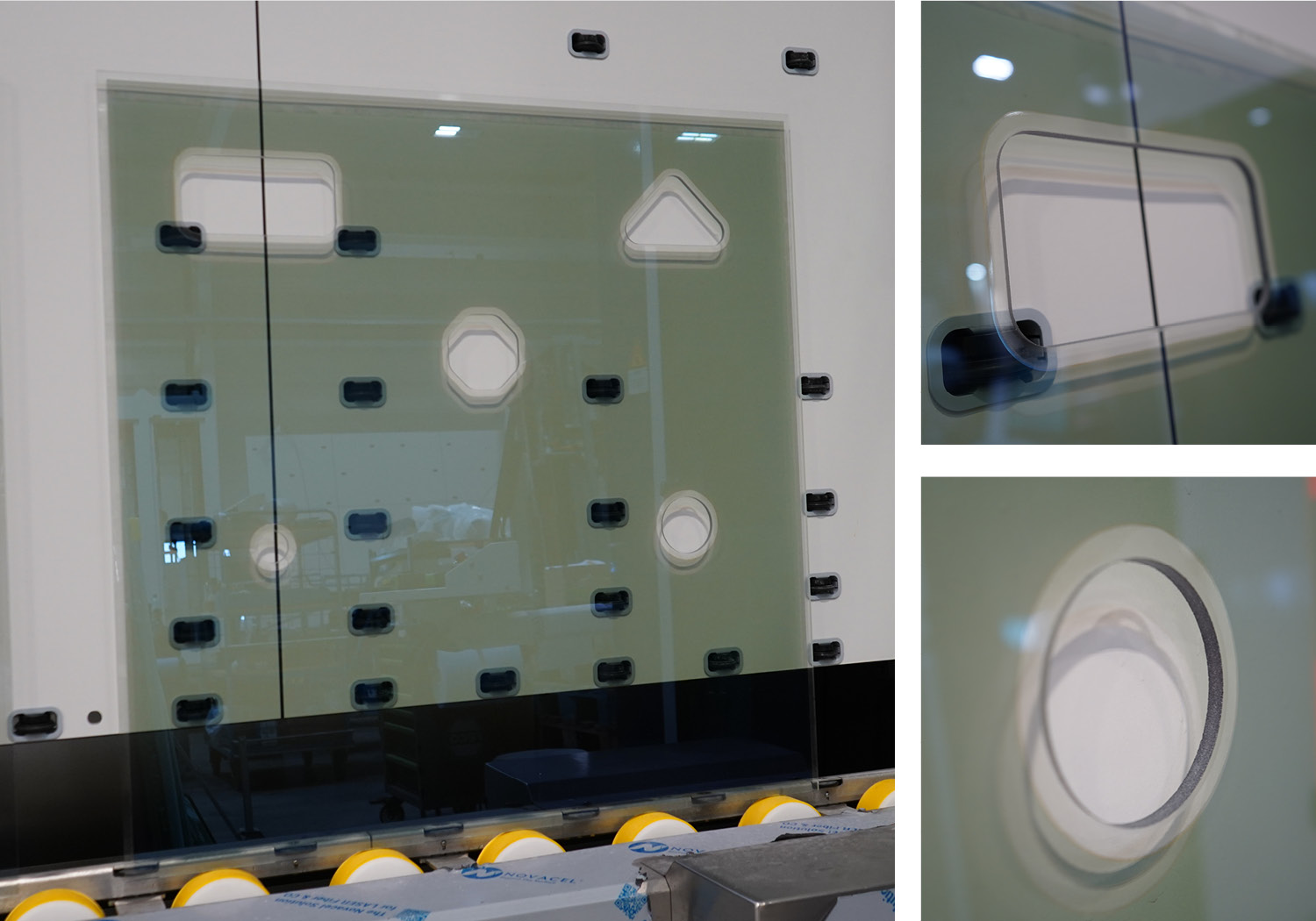
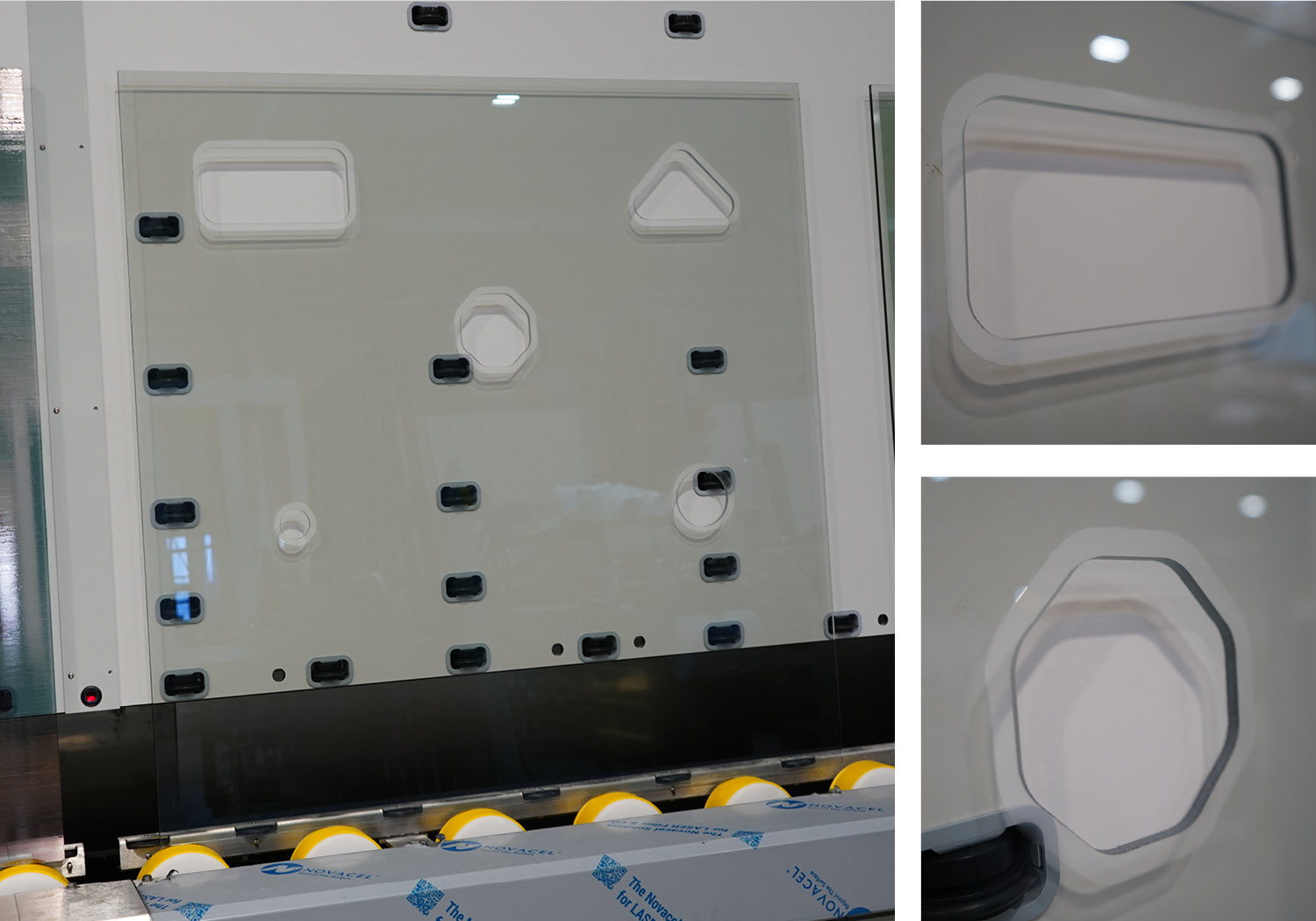
How edge deletion is implemented on a systron machine can be illustrated by Bojar Glass in Poland. The company operates a systron 3527proHD and recently retrofitted the edge deletion option on its existing system.

The function was implemented primarily for application-related reasons, as Commercial Director Krzysztof Harasimowicz explains:

“We recently implemented the edge deletion option on our systron 3527proHD. The function works very reliably.”

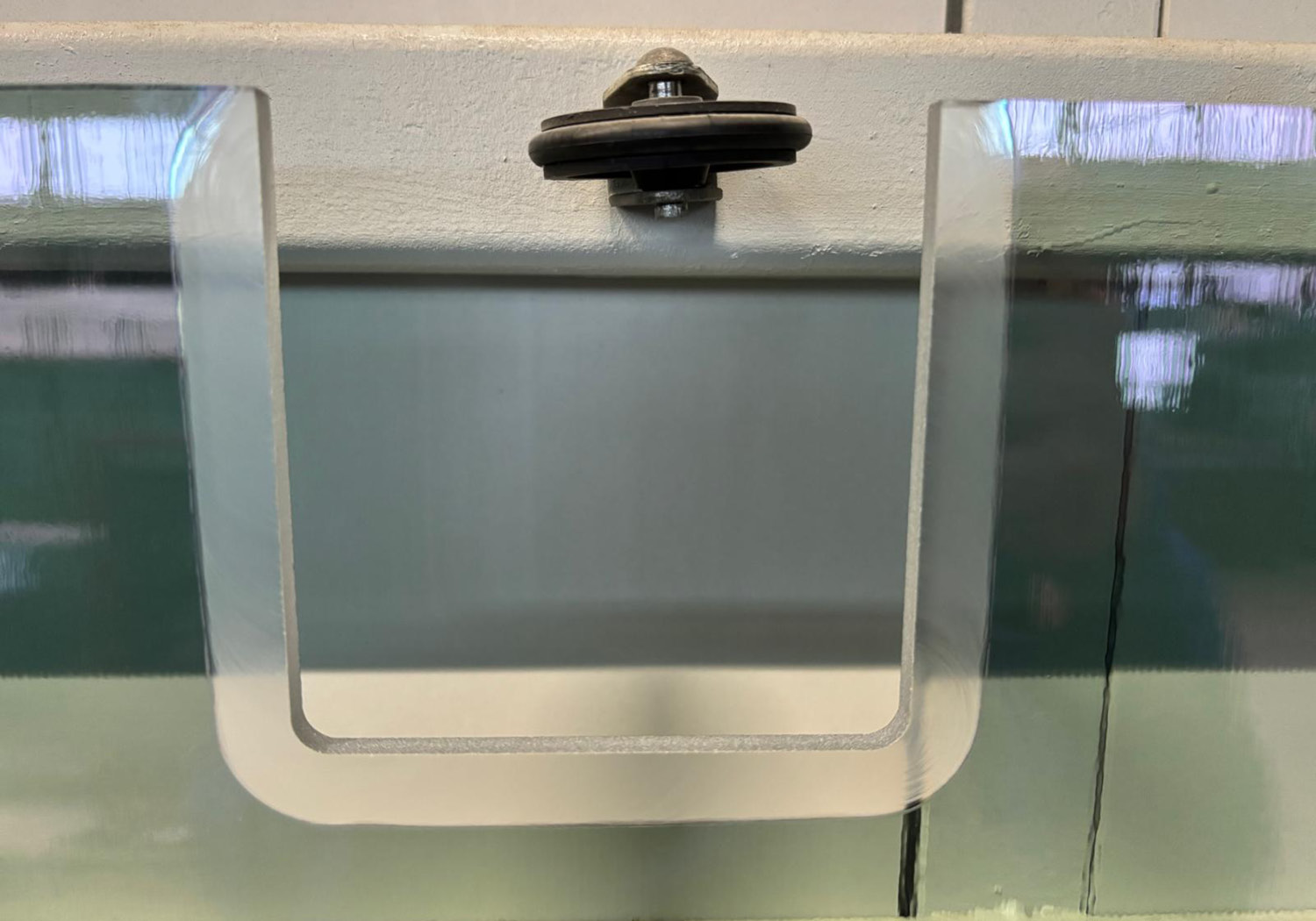
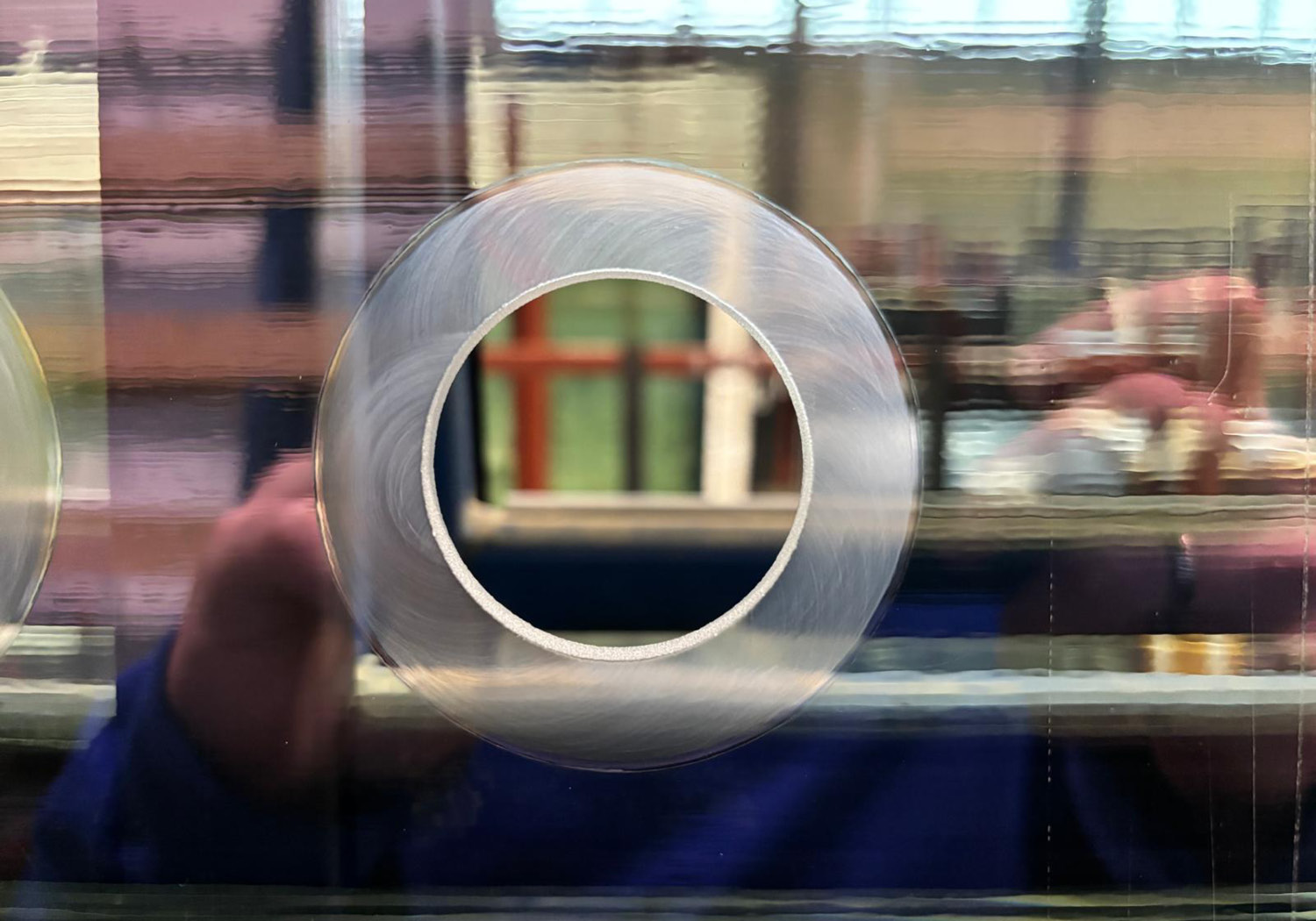
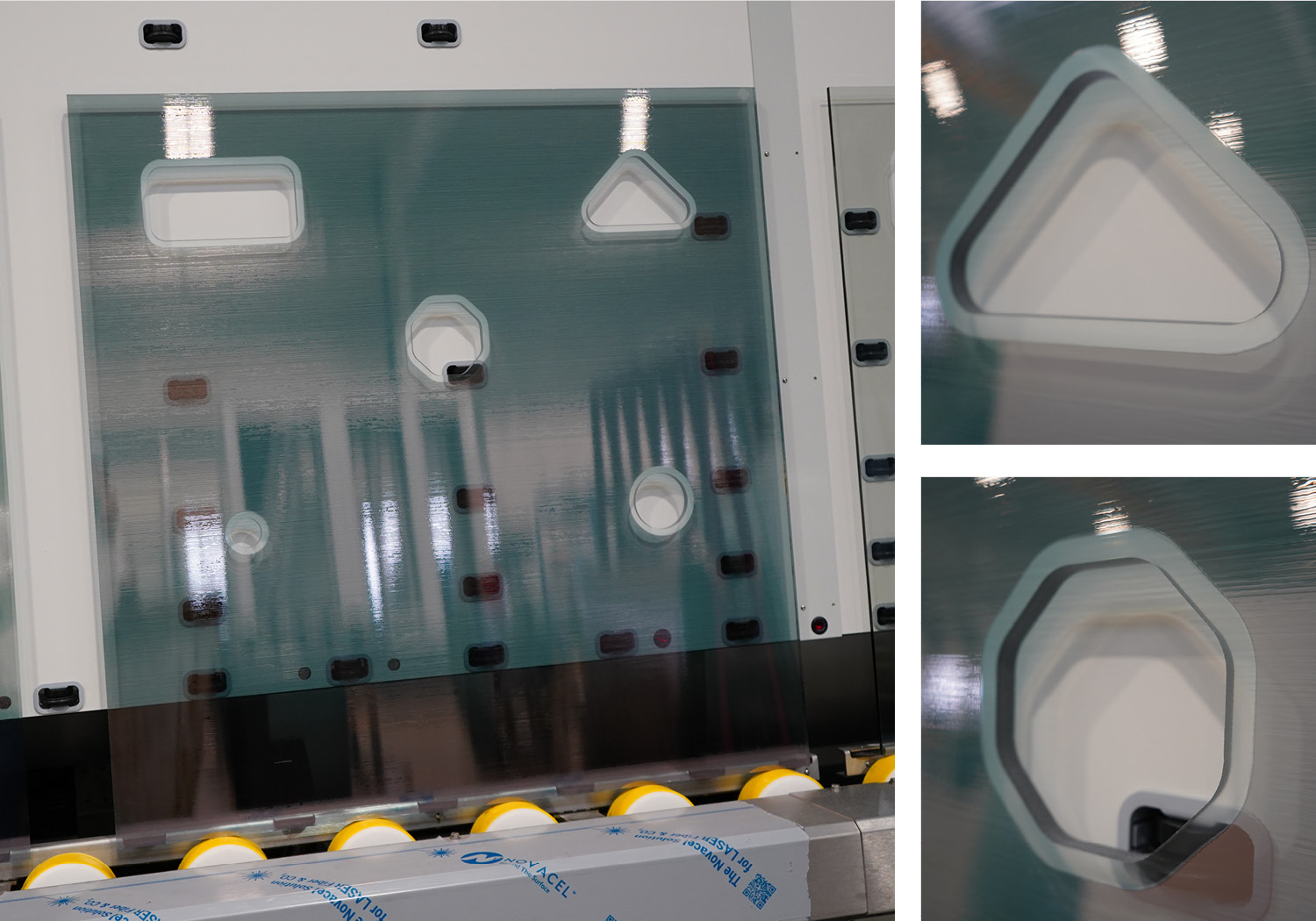
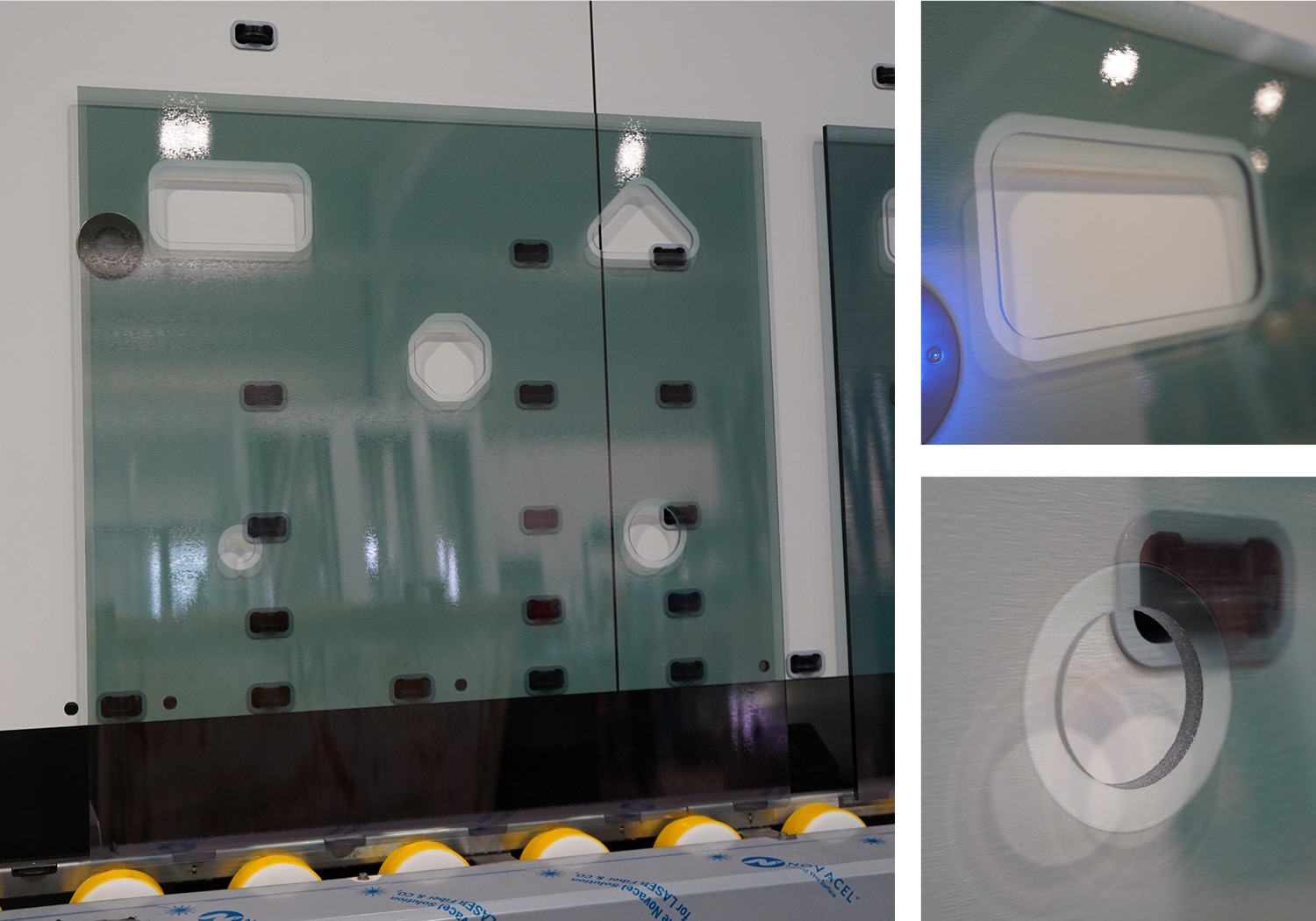
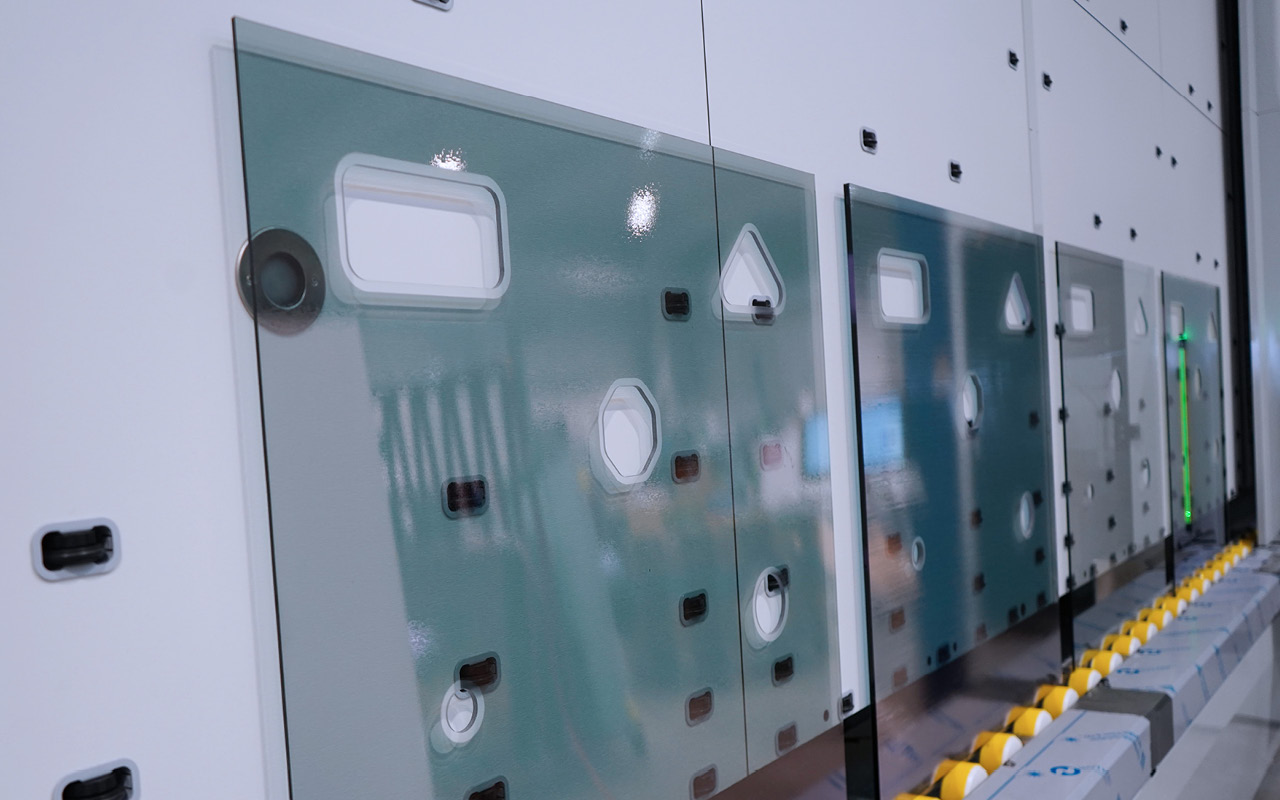
The main reason for the investment was the preparation of insulating glass units with cut-outs for door handle cassettes and rotulas in elevator shafts: “In these applications, it is essential to remove the Low-E coating in order to ensure a permanently tight bond between the butyl and the glass.”

Tests and Material Validation in Practice

In addition to customer experience, successful in-house tests were conducted with various glass types, including:

  • 6 mm float, SGG COOL-LITE® SKN 165 II
  • 6 mm float, SGG COOL-LITE® SKN 154 II EP
  • 6 mm float, Pilkington XIV II
  • 6 mm float, Guardian SunGuard® eXtraSelective SNX 60

The results demonstrate that process-reliable edge deletion can be reproducibly achieved on demanding coating systems when parameters are correctly adjusted.

Availability and Retrofit of systron Edge Deletion

The option edge deletion option can be ordered directly when configuring the following systems: :

In addition, edge deletion is also available as a retrofit option, allowing existing systron machines to be upgraded to meet new applications, glass specifications or insulating glass / façade production requirements.

Share on Social Media